
Choosing the Best Face Shields: A Complete Guide
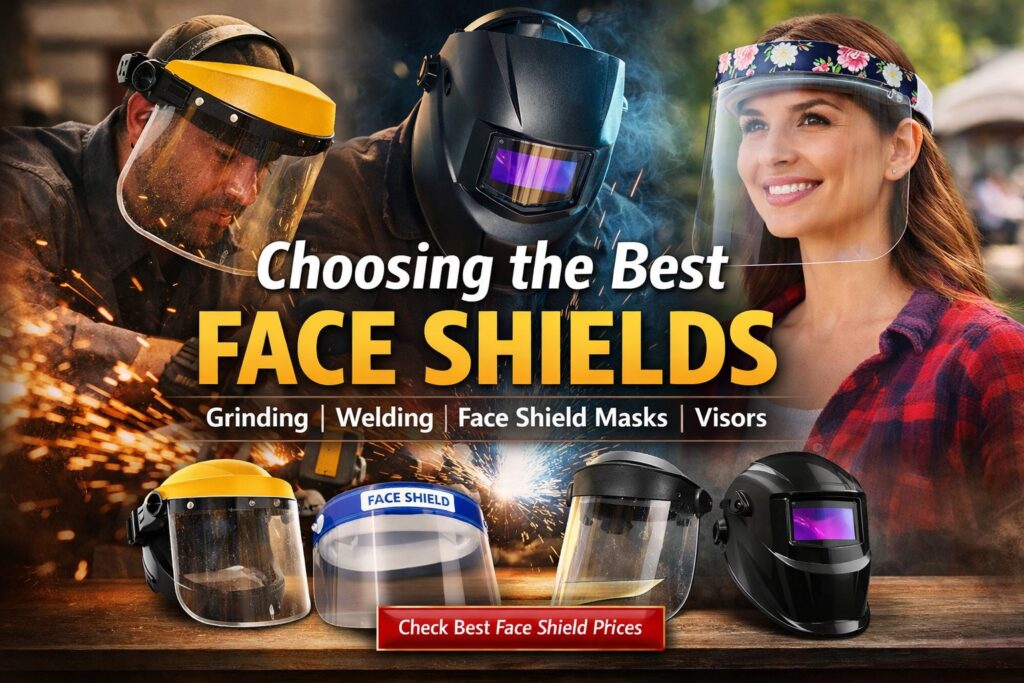
Choosing the Best Face Shields: A Complete Guide to Protection, Comfort, and Use Cases
Face shields have become part of everyday life, but their value goes far beyond pandemic-related protection. Today, face shields are used across healthcare, manufacturing, welding, grinding, construction, laboratories, and even casual public settings. Choosing the right face shield is not just about safety—it’s about comfort, visibility, durability, and the specific task you need it for. Imagine walking through a crowded farmer’s market on a sunny weekend. You want protection from airborne particles, splashes, or dust, but you also want to breathe easily and see clearly. A well-designed face shield visor offers exactly that—full-face coverage without the discomfort of tight masks. This guide breaks down how to choose the best face shield based on material, design, coverage, and application, including specialized options like grinding face shields and welding face shields.
What Is a Face Shield and How Does It Work?
A face shield is a transparent protective visor that covers the entire face, usually from forehead to chin. Unlike standard masks, a face shield mask protects the eyes, nose, and mouth simultaneously, reducing exposure to flying debris, droplets, sparks, or chemical splashes. Face shields are often used alongside masks or respirators in professional settings, but they can also be worn alone for tasks where impact and splash protection are the priority.
Material Matters: Durability and Visibility
The material of the face shield visor plays a major role in both safety and comfort. Common materials include:
- Polycarbonate face shields These are widely used in industrial and medical settings. Polycarbonate is impact-resistant, lightweight, and crystal clear, making it ideal for grinding face shields and welding face shields.
- PET or acetate visors These are more affordable and often used for disposable or casual face shield masks. They provide good clarity but less impact resistance.
If you’re working with power tools, grinding metal, or welding, always choose a polycarbonate face shield rated for high-impact protection.
Design Features That Improve Comfort
Comfort matters, especially during extended use. A poorly designed face shield can cause pressure points, fogging, or headaches. Look for:
- Adjustable headbands or ratchet systems for a secure fit
- Foam padding on the forehead to reduce pressure
- Anti-fog face shield coatings, especially important for welding face shields and face shield masks used in hot or humid environments
- Ventilation gaps that allow airflow without compromising safety
Anti-fog technology is particularly valuable when moving between temperature changes, such as indoor workshops and outdoor job sites.
Size, Fit, and Coverage
A good face shield should fully cover:
- The forehead
- Eyes
- Nose
- Mouth
- Chin
For industrial use, extended-length face shields provide extra coverage against sparks and debris. Grinding face shields often extend lower than standard visors to protect against metal fragments. There are also:
- Face shields for kids
- Extra-wide face shields for glasses
- Helmet-mounted face shields for welding and construction work
Your field of vision should remain wide and unobstructed at all times.
Choosing the Right Face Shield for Specific Uses
Face Shield Mask for Everyday Protection
These are lightweight and often used for public spaces, retail work, or travel. They focus on comfort, visibility, and ease of cleaning rather than heavy impact resistance.
Grinding Face Shield
Designed for workshops and fabrication environments, grinding face shields must withstand high-speed debris. Look for:
- ANSI or EN safety ratings
- Thick polycarbonate visors
- Secure headgear systems
Welding Face Shield
A welding face shield is very different from a basic face shield visor. It often includes:
- Darkened or auto-darkening lenses
- Heat resistance
- Compatibility with welding helmets
These are essential for arc welding, MIG welding, and plasma cutting.
Industrial and Chemical Face Shields
Used in labs and factories, these shields protect against chemical splashes and hazardous liquids. Chemical-resistant materials and full-face sealing are key.
Portability and Versatility
If you need flexibility, choose a face shield that is:
- Lightweight
- Flip-up or foldable
- Easy to clean and reuse
Many modern face shield visors are designed to work across multiple environments, from casual errands to professional tasks.
Style and Personal Preference
Face shields no longer look purely clinical. Many brands now offer:
- Colored frames
- Patterned headbands
- Sleek, modern designs
While style should never replace safety, a face shield you like is more likely to be worn consistently. Personal comfort and confidence matter, especially in daily-use face shield masks.
Safety Standards and Certifications to Look For
When purchasing a face shield, especially for grinding or welding, check for:
- ANSI Z87.1 certification
- EN 166 standards
- Manufacturer safety ratings
These certifications ensure the face shield visor has been tested for impact and optical clarity.
Final Thoughts: Balancing Safety, Comfort, and Purpose
Choosing the best face shield depends on how and where you plan to use it. A lightweight face shield mask may be perfect for daily wear, while a heavy-duty grinding face shield or welding face shield is essential for industrial work. Focus on:
- Proper material
- Secure fit
- Full-face coverage
- Task-specific design
When safety, comfort, and usability align, a face shield becomes more than just protective gear—it becomes a practical tool you can rely on every day.
Face Shield Types Comparison Table
| Face Shield Type | Best For | Material | Protection Level | Key Features |
|---|---|---|---|---|
| Face Shield Mask | Daily use, retail, travel | PET / Polycarbonate | Medium | Lightweight, reusable, clear visor |
| Grinding Face Shield | Metal grinding, fabrication | Polycarbonate | High | Impact-resistant, extended coverage |
| Welding Face Shield | Arc welding, MIG, TIG | Polycarbonate + tinted lens | Very High | Heat resistance, auto-darkening |
| Face Shield Visor | Medical, laboratory | Polycarbonate / Acetate | Medium–High | Anti-fog, wide field of view |
| Industrial Face Shield | Construction, chemical handling | Polycarbonate | High | Full-face, chemical splash protection |
Material Comparison – Face Shield Visors
| Material | Clarity | Impact Resistance | Weight | Best Use Case |
|---|---|---|---|---|
| Polycarbonate | Excellent | Very High | Lightweight | Grinding and welding face shields |
| PET | Good | Moderate | Very Light | Disposable face shield masks |
| Acetate | Very Good | Low–Moderate | Light | Medical face shield visors |
| Acrylic | Good | Low | Heavy | Limited-use industrial shields |
Grinding Face Shield vs Welding Face Shield
| Feature | Grinding Face Shield | Welding Face Shield |
|---|---|---|
| Primary Purpose | Flying debris protection | Spark and arc light protection |
| Lens Type | Clear polycarbonate | Dark / auto-darkening |
| Heat Resistance | Moderate | High |
| Impact Protection | High | High |
| Certification | ANSI Z87.1 | ANSI Z87.1 + welding standards |
| Typical Environment | Workshops | Welding sites |
Face Shield Mask vs Traditional Face Mask
| Feature | Face Shield Mask | Traditional Face Mask |
|---|---|---|
| Covers Eyes | Yes | No |
| Reusable | Yes | Sometimes |
| Breathing Comfort | High | Moderate–Low |
| Splash Protection | High | Low |
| Fogging Issues | Low | Common |
| Ideal Use | Public spaces | Close-contact environments |
Quick Buyer Guide
| User Type | Recommended Face Shield |
|---|---|
| Home DIY User | Polycarbonate face shield visor |
| Professional Grinder | ANSI-rated grinding face shield |
| Welder | Auto-darkening welding face shield |
| Retail Worker | Lightweight face shield mask |
| Lab Technician | Chemical-resistant face shield visor |
You also like to read this: Best Value Solar Field Watch in UAE
